How to Survive the Holidays When You're Already Exhausted
You're Not Alone if the Holidays Feel Hard
If you're reading this, you're probably already tired. Maybe you've been dreading this season for weeks. Maybe you're sitting here right now feeling guilty because everyone else seems so excited about the holidays while you're just trying to figure out how to survive the holidays without falling apart.
We see you. And we need you to know something: you're not broken. You're not ungrateful. You're not a Grinch.
You're human. And the holidays are hard for so many of us—more than you'd ever know from looking at everyone's Instagram stories. Three out of five Americans say their stress levels spike during the holidays, and over a third say their mental health actually gets worse during what's supposed to be "the most wonderful time of the year."
This isn't a guide about making your holidays perfect. It's about helping you get through them intact.
Why This Season Feels So Heavy Right Now
The Pressure to Do Everything Perfectly
You know that feeling. Like you're supposed to be hosting beautifully, buying thoughtfully, decorating creatively, and making everyone around you feel magical? Like, if you just tried harder, planned better, did more, it would all come together?
That weight you're carrying? It's too much. And it was never yours to carry alone in the first place.
The holidays have become about production instead of connection. About doing instead of being. And somewhere in all that doing, we've lost the permission to simply exist: tired, imperfect, and doing our best.
Your best is enough. Even when it doesn't feel like it.
The Financial Stress That Nobody Talks About
Inflation, tariffs, and the instability in SNAP benefits affect Americans across the nation. All of this is exaggerated with the expectation of showering loved ones with gifts. When 67% of Americans are living paycheck to paycheck, the holidays stop feeling joyful and start feeling impossible.
And then comes the guilt, that awful feeling that you can't give enough, buy enough, be enough.
But here's what I want you to hear: your presence is the gift. Not the stuff. Not the elaborate meals. Just you.
The Grief Nobody Wants to Acknowledge
The empty chair at the table. The person you can't call anymore. The family you no longer speak to. The life you thought you'd have by now.
If that’s you, you’re not alone. In fact, you're surrounded by people who are also carrying loss, even if they're smiling on the outside.
Grief doesn't take a holiday. And you don't have to pretend it does.
The Family Dynamics That Drain You
Maybe it's the relative who always has something critical to say. Maybe it's navigating a divorce or custody arrangement. Maybe it's just the exhaustion of being around people who don't really see you, who still treat you like you're the person you were ten years ago, or who you were before everything changed.
Your extended family can be a big source of holiday stress. If just thinking about certain gatherings makes your chest tight, you're not alone. And you're not wrong for feeling that way.
The Darkness Isn't Just Metaphorical
The short days and long nights aren't helping. Your body is responding to less sunlight, and that's a real, physical thing that affects your energy and mood. This isn't a weakness. It's biology. When the sun sets at 5 pm and you're already exhausted, give yourself some grace.
When Everything Feels Like Too Much
You Don't Have to Go to Everything
We know you feel obligated. We know someone will be disappointed. We know there might be comments or guilt trips. But here's the truth: you can say no. You can leave early. You can skip it entirely.
"I'm not going to make it this year" is a complete sentence. So is "I need to leave soon" or "I can only stay for an hour."
Your well-being matters more than someone else's expectations. Full stop.
Small Things That Actually Help When You're Overwhelmed
When the anxiety starts rising or when your chest gets tight and your thoughts start racing, simple actions can have a big impact:
- Take three slow breaths. In through your nose, out through your mouth. Make the exhale longer.
- Step outside. Even if it's cold. Even if it's just for sixty seconds.
- Hold something warm. A mug of tea. Your hands under hot water. The warmth helps.
- Text someone safe. Not to fix anything. Just to not be alone in it.
These aren't solutions. They're lifelines. And sometimes a lifeline is exactly what we need.
You Don't Have to Make It Beautiful
The Instagram version of the holidays? That's not real life. That's performance. Real life is paper plates because you're too tired for dishes. It's store-bought pie. It's letting the kids eat cereal for dinner because you just can't. It's the decorations that are still in boxes because you ran out of energy.
And you know what? That's okay. More than okay. Don't sacrifice your peace for appearances.
Getting Through Family Gatherings Without Losing Yourself
Before You Go
Decide now what your boundaries are. Not what you wish they could be, what they actually are for you right now, in your current state of exhaustion.
Maybe it's: "I won't discuss my job." "I won't stay past 7 pm." "I won't drink because it makes my anxiety worse." "I won't engage in politics." (Read that last one again.)
Write them down if it helps. Tell a safe person what they are. Give yourself permission to protect your peace, even if it disappoints someone else.
While You're There
You don't have to engage with everyone. You can spend the whole time talking to the one cousin you actually like. You can volunteer to help in the kitchen so you have something to do with your hands. You can spend time with the kids or the dog.
If someone says something hurtful, you don't owe them a response. "I'm going to step away" is valid. So is saying nothing at all and just changing the subject. Your silence isn't agreement. It's survival. And that's okay.
After It's Over
More than a quarter of mothers say it takes them a month or more to recover from holiday stress. A month. That's how hard this is. After gatherings, do something that feels restorative, even if it's small. Lie in bed and watch something mindless. Take a walk. Sit in your car in silence. Order takeout. Cancel plans for the next day if you need to.
Recovery time isn't optional. It's essential.
If You're Grieving This Season
What You're Feeling Is Real
The sadness that hits when you see their favorite dish on the table. The way certain songs make you cry. The anger that everyone else seems fine while you're drowning. The guilt when you catch yourself laughing.
All of it is grief. And all of it is okay.
Allowing yourself to feel your emotions is actually very important for healing. Cutting ourselves off from emotions can prevent us from moving through grief. You don't have to be strong. You don't have to put on a brave face. You can fall apart.
You Don't Have to Celebrate Like You Used To
Maybe you skip the decorations this year. Maybe you change the traditions that hurt too much. Maybe you celebrate on a different day, in a different way, with different people. The first step in coping with grief during the holidays is acknowledging that it's difficult and setting realistic expectations for yourself. What if this year, your only expectation was to get through it?
Honoring Them Might Help
Or it might not. There's no right way to do this. Some people light candles. Some make their loved one's favorite recipe. Some leave an empty chair. Some pretend it's just another day. Do what feels right for you, not what you think you're supposed to do. Grief is personal, and so is how we carry it.
You Don't Have to Do This Alone
If the weight is too heavy, tell someone. A friend who gets it. A therapist. A support group. Anazao's community care workers who understand that grief doesn't follow a timeline or a schedule. Asking for help isn't giving up. It's choosing to keep going.
What to Do When Everything on Your List Feels Impossible
Give Yourself Permission to Let Things Go
Look at your to-do list. Now cross off half of it. Seriously.. Half of what you think you "have to" do? You don't. And nobody will remember whether you did it or not, except that you'll remember whether you survived this season with your sanity. Homemade anything? Optional. Matching anything? Optional. Pinterest-worthy anything? Optional.
Ask for Help and Be Specific
"Can you bring dessert?" "Can you pick up groceries?" "Can you keep the kids for an hour?" People often want to help but don't know how. Being specific isn't burdensome, it's giving them a way to actually support you.
Lower Your Standards Until They're Reachable
What if good enough was actually... enough? What if the goal wasn't a perfect holiday, but just getting through without completely burning out?
Frozen lasagna is a meal. Store-bought cookies taste fine. Your kids won't remember whether things matched, they'll remember if you were present or stressed out of your mind.
Choose to be present.
Taking Care of Yourself When You're Running on Empty
The Basics Matter More When You're Depleted
I know you're tired of hearing about self-care. But when you're this exhausted, the basics become critical:
- Sleep. Even when there's more to do. Nearly half of Americans have trouble prioritizing sleep during the holidays, with women particularly affected. Your body needs rest more than it needs another task crossed off the list.
- Eat something. Real food, when you can. But when you can't, anything is better than nothing.
- Water. Just... water. Your body is working overtime managing stress. Help it out.
Get Outside for a Few Minutes
Even if it's cold. Even if you don't want to. Even if you can only manage five minutes. The light helps. The fresh air helps. Moving your body helps. It won't fix everything, but it helps.
Protect Your Peace Ruthlessly
Limit social media if it's making you feel worse. Say no to things that drain you. Keep your space as calm as you can. Self-care isn't selfish when you're trying not to fall apart. It's survival.
If You're Worried It's More Than Holiday Stress
Sometimes it's not just the holidays. Sometimes the holidays are just making something else more obvious.
If you're noticing:
- Sleep problems that aren't getting better
- Eating much more or much less than usual
- No energy for anything, even things you normally like
- Using alcohol or other substances to cope
- Thoughts that scare you
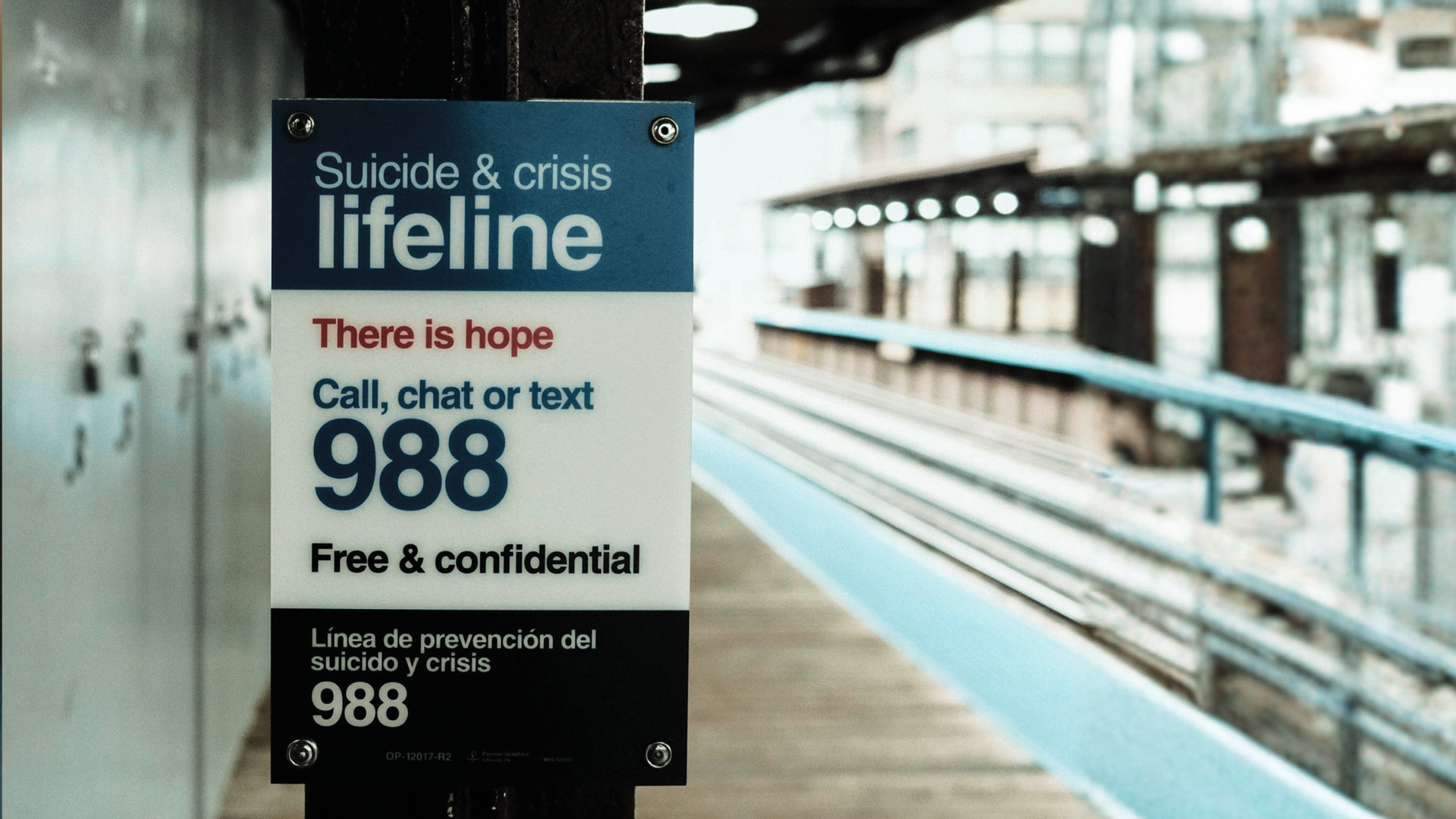
Then it might be time to talk to someone. Anazao's Community Partners are here. Therapists are here. Crisis lines are here.
You don't have to white-knuckle your way through this alone.
A Final Thought for Your Weary Heart
You don't have to enjoy the holidays. You don't have to be grateful for everything. You don't have to make magic happen for everyone else while you're barely holding it together.
You just have to get through. One day. One gathering. One moment at a time. And when it's over (when you've made it to January) you'll know you survived. Not perfectly. Not gracefully. But you'll have survived. That counts for something. It counts for a lot, actually. Be gentle with yourself. Lower every expectation. Do less than you think you should. Rest more than feels reasonable. And remember: your worth isn't measured by how well you perform this season. It's not measured by how many people you pleased or how perfect anything looked. You're valuable just because you're here. Tired, stressed, struggling, and still here. That's enough. You're enough.
If you need support getting through this season, Anazao Community Partners is here with compassionate care and understanding. You don't have to walk through this alone. Reach out. We'll walk with you.
Share This Article