Is My Sports Betting Becoming a Problem? Signs to Watch During March Madness
Something feels off.
Maybe you started placing bets on March Madness games just to make things more interesting, the way millions of people across the country do every spring. For most, it stays exactly that: a little extra fun during the tournament. But for some, a habit quietly forms before they even realize it's happening. If you've found yourself typing "is my sports betting becoming a problem?" into a search bar, that question alone is worth slowing down for.
Why Sports Betting Can Sneak Up on You
Sports betting today looks almost nothing like it did a decade ago. There's no trip to a casino, no cash exchanged at a window. Instead, betting happens in seconds, on your phone, from your couch. Apps are built to be fast, exciting, and always available. They send notifications, offer promotions, and make the next bet feel like the obvious next step.
That convenience is part of what makes problem gambling harder to recognize early. When something is always accessible and socially normalized, especially during high-energy events like the Super Bowl or March Madness, the line between recreation and compulsion can blur gradually, not all at once.
Early Signs Sports Betting May Be Becoming a Problem
Most people don't develop a gambling problem overnight. It usually begins with small shifts in behavior, in thinking, in how wins and losses feel. The earlier these signs are recognized, the easier it is to course-correct.
One of the most common early patterns is mental preoccupation. If betting is taking up more mental space than it used to (say you're planning the next bet while you're still watching the current game, or checking lines first thing in the morning) that's a signal worth paying attention to. Another pattern is spending beyond your original intent. What started as a $20 bracket entry becomes a series of in-game bets that are harder to track.
Chasing losses is perhaps the clearest early warning sign. The urge to "win it back" after a losing streak often leads to bigger bets, faster decisions, and more money spent than originally planned. Emotional reactions are another indicator. Feeling irritable, anxious, or down after a loss in a way that lingers beyond the game. And if you've started hiding bets or spending from people close to you, that sense of secrecy often signals that some part of you already knows something has shifted.
A Simple Self-Check
Ask yourself these questions honestly. Do you feel pressure to keep betting after a loss? Are you betting money you can't really afford to lose? Do wins and losses affect your mood more than they used to? Have you tried to cut back and struggled? If the answer to several of these is yes, it's worth taking a closer look — not because you're in crisis, but because early attention makes a real difference.
How to Stay in Control If You Still Want to Bet Recreationally
Recreational betting doesn't have to become a problem, and there are concrete steps that help protect against that drift. The most effective strategy is setting firm limits before you start — deciding in advance exactly how much money and how much time you're willing to spend, and treating those limits as non-negotiable no matter what happens during the game.
Avoiding the chase is equally important. Trying to recover losses in the moment is one of the fastest routes from recreational betting to compulsive behavior. If you've hit your limit and lost, that's where the session ends, not where it escalates.
Ohio residents also have access to built-in safeguards worth using. Tools like Time Out Ohio allow people to voluntarily exclude themselves from gambling apps and platforms. The Gamban app blocks gambling sites across devices. These aren't just for people in crisis. They're smart tools for anyone who wants to add a layer of structure to their habits.
When It Might Be Time to Talk to Someone
If betting has started affecting your finances, your stress levels, your relationships, or your mental health, talking with a professional can help, and it doesn't have to be a last resort. Counseling isn't reserved for severe addiction. In fact, some of the most effective support happens early, before a habit becomes harder to manage on your own.
At Anazao Community Partners, our therapists work with individuals and families navigating stress, impulse control, and behavioral health challenges. In fact, we have providers specifically trained to identify and address problem gambling and gaming concerns. The goal isn't to label or judge. It's to help people understand their patterns, build healthier coping strategies, and find balance — whatever that looks like for each person.
You Don't Have to Figure It Out Alone
One of the most common things people say when they finally reach out for support is that they waited too long because they didn't think their situation was "bad enough." The truth is, help for problem gambling isn't only for people who have lost everything. It's for anyone who is wondering whether their habits are healthy, who wants to stop but keeps struggling, or who simply wants to talk through what they're experiencing with someone who understands behavioral health.
Anazao's intake process is designed to make that first step as easy as possible. You don't have to come in with a diagnosis or a crisis. You come in with a question and your support starts from there.
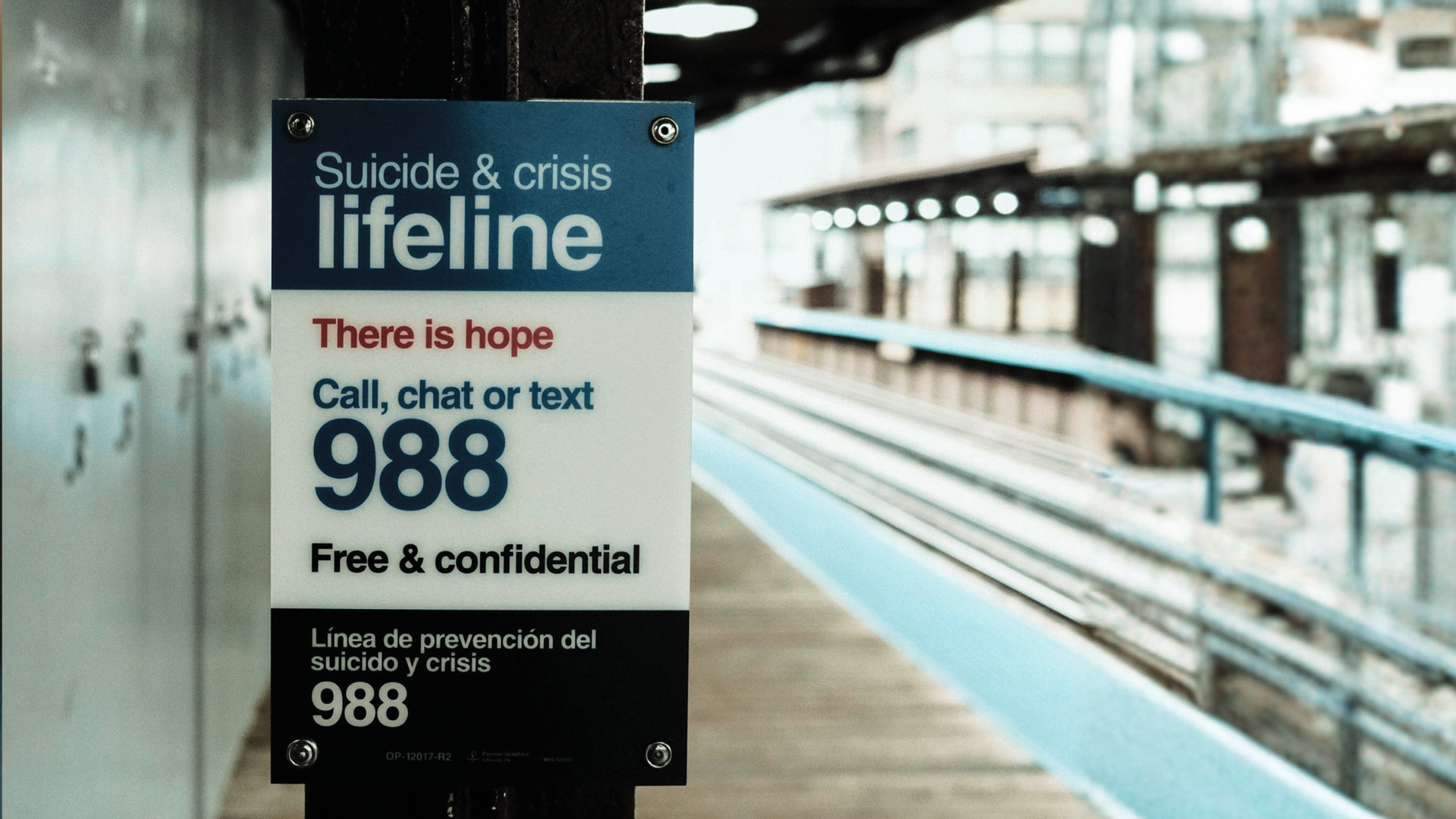
Immediate Support Resources
If gambling feels out of control right now, support is available. You can call the Ohio Problem Gambling Helpline at 1-800-589-9966. If you'd like to speak with a counselor about stress, habits, or behavioral health, contact Anazao Community Partners. We’re here for you.
Share This Article